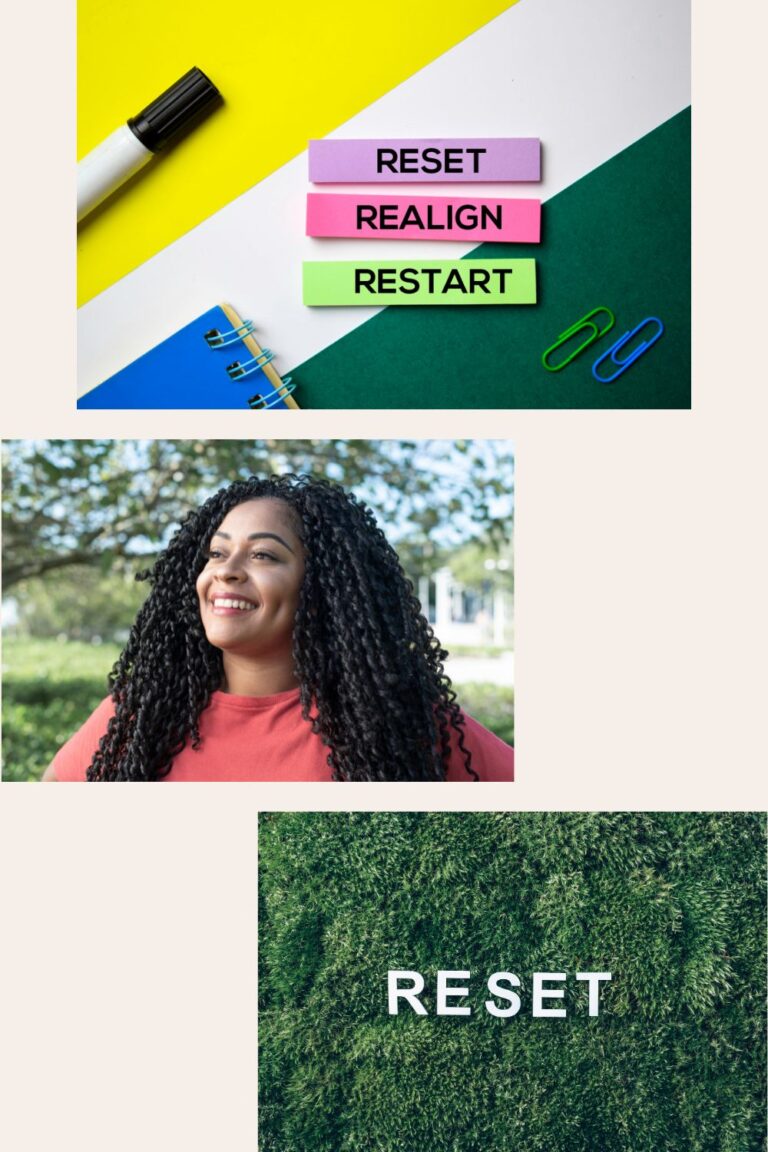
A Productive Afternoon Routine That Actually Works in Real Life
Afternoons are often the hardest part of the day.
The morning starts with good intentions and fresh energy, but somewhere after lunch, focus fades. Motivation dips. Tasks that felt manageable earlier suddenly feel heavy or overwhelming. Without a plan, afternoons can turn into a cycle of procrastination, distraction, or busywork that doesn’t really matter.
A productive afternoon routine changes that—not by forcing more work into the day, but by creating structure, clarity, and breathing room when energy naturally slows down. When afternoons are approached intentionally, the entire day feels more balanced, calmer, and more satisfying.
This article walks through a realistic, flexible afternoon routine designed to support productivity without burnout. It’s not rigid or hustle-driven—it’s built to work with natural energy levels and real life.

Affiliate links may be used in this post, and if so, I will receive a commission at no extra cost. I’m also part of the Amazon Affiliate (Associate) program, where I earn a commission from sales made through my affiliate links. Read the full disclosure policy.
Why an Afternoon Routine Matters
Most productivity advice focuses on mornings, but afternoons are where consistency really matters.
By the time afternoon arrives, decision fatigue has often set in. Emails have been answered, interruptions have happened, and mental energy has already been used. Without a routine, it’s easy to drift into distraction or push too hard in an attempt to “power through.”
A productive afternoon routine helps by:
- Reducing decision fatigue
- Maintaining momentum without overwhelm
- Creating structure during low-energy hours
- Making evenings feel lighter and less stressful
When afternoons are handled with intention, productivity improves—and so does overall well-being.
Related reading: Productivity Apps That Actually Make Life Easier (for Work, School, and Home)
Start With a Clear Mental Reset After Lunch
One of the most important habits in a productive afternoon routine is treating the time after lunch as a reset point, not a continuation of the morning.
Instead of jumping right back into work, a short pause helps close out the first half of the day and prepares the mind for what’s next.
This reset might include:
- Closing out morning tabs or tasks
- Reviewing what’s already been completed
- Stepping outside or taking a few deep breaths
This small break creates mental clarity and prevents that scattered, half-focused feeling that often shows up in the afternoon.
Plan the Afternoon Before the Slump Hits
Waiting until energy is gone to decide what to do next makes afternoons harder than they need to be.
A simple plan created earlier in the day removes guesswork and keeps momentum going. Instead of a long to-do list, the focus stays on just three to five realistic tasks.
Helpful questions to guide planning include:
- What truly needs to be done today?
- Which tasks fit lower energy levels?
- What would feel good to have finished by the end of the day?
With a short, intentional plan in place, it’s much easier to stay focused later.
Match Tasks to Natural Energy Levels
Afternoon energy is different from morning energy—and pretending otherwise leads to frustration.
Rather than scheduling deep, demanding work during the afternoon slump, productivity improves when lighter tasks are saved for this time of day.
Afternoon-friendly tasks often include:
- Editing instead of creating from scratch
- Responding to emails or messages
- Organizing files, notes, or content
- Scheduling posts or appointments
- Administrative or repetitive work
Working with energy instead of against it allows steady progress without exhaustion.

Create a Gentle Transition Back Into Focus
Going straight from lunch into intense concentration rarely works.
A productive afternoon routine includes a soft transition—something that helps the brain shift gears without pressure.
Common transition habits include:
- Making a cup of tea or coffee
- Turning on instrumental or low-key music
- Tidying the workspace for a few minutes
- Reviewing the afternoon task list
These small rituals act as a signal that it’s time to refocus, making it easier to ease back into work.
Use Time Blocks Instead of Endless Work Hours
Long, open-ended work sessions often lead to burnout and procrastination, especially in the afternoon.
Short, defined time blocks—usually 30 to 45 minutes—help maintain focus without mental fatigue. Each block includes one main task, followed by a short break.
Time blocking helps by:
- Creating clear boundaries
- Improving concentration
- Making tasks feel more manageable
- Preventing overwork
This structure encourages steady progress without draining energy.
Take Breaks Intentionally (Not Accidentally)
Not all breaks are equal.
Unplanned breaks often turn into scrolling or distraction, which usually leaves energy lower than before. Intentional breaks, on the other hand, restore focus and clarity.
Productive afternoon breaks might include:
- Standing up and stretching
- Taking a short walk
- Drinking water or having a snack
- Doing a brief physical movement
These breaks support productivity rather than interrupt it.
Keep the Environment Calm and Supportive
Afternoons are when clutter, noise, and visual distractions tend to feel more overwhelming.
A supportive workspace doesn’t have to be perfect—it just needs to reduce friction.
Simple adjustments can make a big difference:
- Clearing unnecessary clutter
- Softening harsh lighting
- Closing distracting tabs or apps
- Keeping water or tea nearby
A calm environment helps conserve mental energy and maintain focus.
Choose One “Anchor Task” for the Afternoon
A productive afternoon routine benefits from having one clear priority.
An anchor task is the one thing that, if completed, makes the day feel successful—even if nothing else gets done.
Good anchor tasks are:
- Important but not overwhelming
- Clearly defined
- Realistic to finish in one sitting
This single focus provides direction and prevents bouncing between unfinished tasks.
Let Go of Unrealistic Expectations
One of the most powerful productivity shifts is releasing the idea that every afternoon needs to be highly productive.
Afternoons don’t need to be packed with output to be successful. Progress—no matter how small—still counts.
Helpful reminders include:
- Not everything needs to be done today
- Rest is part of productivity
- Consistency matters more than intensity
This mindset reduces pressure and makes productivity more sustainable.

Build in a Gentle End-of-Day Wind-Down
A productive afternoon routine doesn’t end when work stops—it ends when the day is closed intentionally.
Slowing down during the final 20–30 minutes of the workday helps create a clear mental boundary between work and personal time.
End-of-day habits may include:
- Reviewing completed tasks
- Writing down priorities for tomorrow
- Tidying the workspace
- Closing open loops
This small ritual makes it easier to fully unplug and enjoy the evening.
Protect Evenings by Respecting Afternoon Limits
Pushing too hard in the afternoon often leads to mental exhaustion later.
When the afternoon routine is intentional and balanced, evenings feel lighter and more restorative. Work feels complete instead of lingering.
Protecting energy during the afternoon is one of the best ways to protect personal time later in the day.
Example of a Simple Productive Afternoon Routine
Here’s an example of how a flexible afternoon might look:
- 12:30–12:45 – Lunch and mental reset
- 12:45–1:00 – Review afternoon plan
- 1:00–1:45 – Focus block (anchor task)
- 1:45–2:00 – Break
- 2:00–2:45 – Lighter tasks
- 2:45–3:00 – Movement or rest
- 3:00–3:30 – Final admin tasks
- 3:30–3:45 – Wrap-up and plan for tomorrow
The goal isn’t perfection—it’s flow.
Final Thoughts: Productive Can Still Be Gentle
A productive afternoon routine doesn’t require more pressure, longer hours, or constant motivation.
When afternoons are supported with intention, structure, and flexibility, productivity becomes calmer and more sustainable. Focus improves. Stress decreases. Evenings feel more peaceful.
If afternoons have always felt like the hardest part of the day, it’s not a personal failure—it’s often just a lack of support. Starting with one or two small habits is enough to create meaningful change.
Productivity doesn’t have to be loud or exhausting. Sometimes, it looks like a quiet, steady afternoon that ends with clarity instead of chaos—and that’s a win worth chasing.