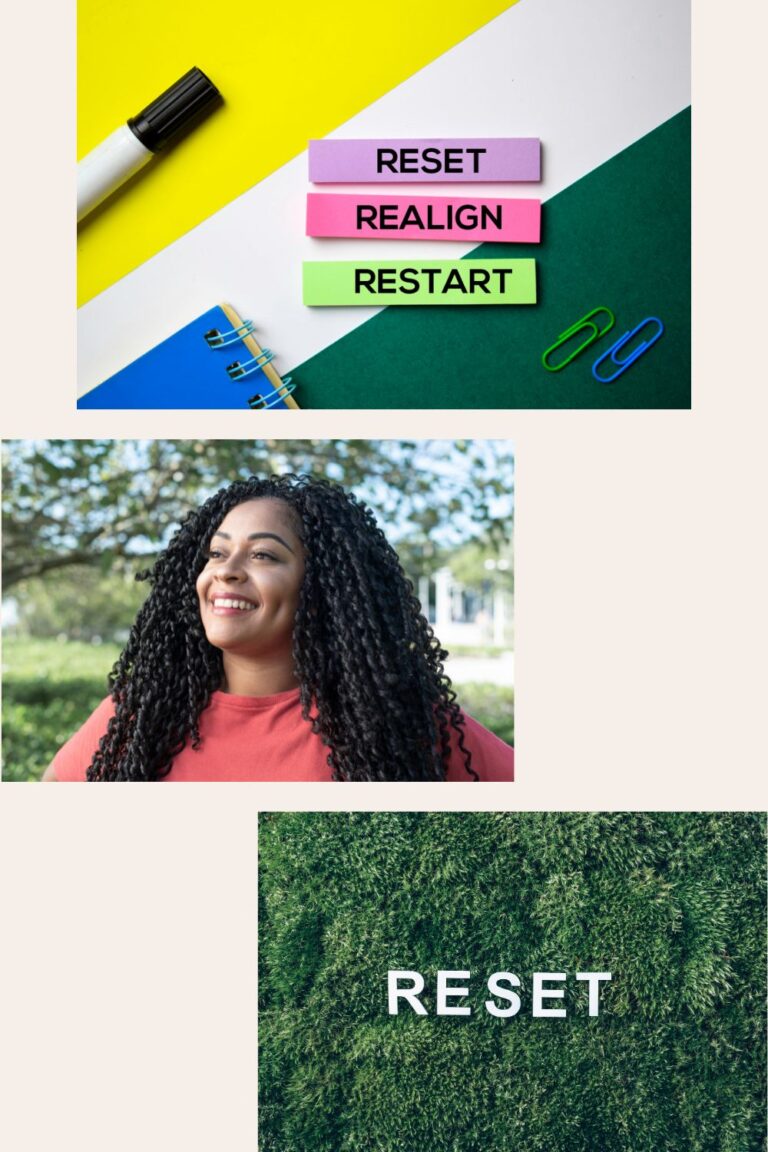
Every year, right around the end of December, I feel it—that quiet pull to reset. Not in a dramatic “new year, new me” kind of way, but in a softer, more honest way. I don’t want to become someone else. I just want to clear the clutter, breathe a little deeper, and start the year feeling grounded instead of rushed.
Over the years, I’ve learned that a New Year reset doesn’t have to mean strict goals, color-coded planners, or pressure to overhaul your entire life by January 2nd. For me, it’s about gently closing one chapter and opening another with intention, gratitude, and clarity.
If you’re craving a fresh start that feels calm instead of chaotic, this is exactly how I approach my New Year reset—plus a simple checklist you can come back to whenever you need it.
What a New Year Reset Really Means to Me
A New Year reset isn’t about perfection. It’s about pausing long enough to ask yourself what’s working, what isn’t, and what you want to carry forward.
Some years, my reset is deep and reflective. Other years, it’s as simple as cleaning out a drawer, updating my calendar, and drinking more water. Both count.
I like to think of a reset as creating space—mentally, emotionally, physically, and spiritually—for the life I’m already living. When there’s less clutter, less noise, and less pressure, everything feels more manageable.

Affiliate links may be used in this post, and if so, I will receive a commission at no extra cost. I’m also part of the Amazon Affiliate (Associate) program, where I earn a commission from sales made through my affiliate links. Read the full disclosure policy.
Step One: Reflect on the Year You’re Leaving Behind
Before I rush into planning the year ahead, I always spend time looking back. This step matters more than we give it credit for.
I ask myself questions like:
- What went well this year?
- What felt heavy or draining?
- Where did I grow, even if it was uncomfortable?
- What do I want to leave behind?
I don’t overthink it or judge my answers. I just let myself be honest. Reflection helps me understand what I actually need—not what I think I should want.
Sometimes I write everything down in a journal. Other times I think it through on a walk or while folding laundry. The method doesn’t matter. The pause does.
Step Two: Reset Your Home (Gently)
I used to think a New Year reset meant deep cleaning the entire house. Now I know better.
Instead of tackling everything, I focus on a few areas that make the biggest difference in my day-to-day life:
- My kitchen counters
- My bedroom
- My workspace
- My entryway or drop zone
Clearing physical clutter helps quiet mental clutter. I don’t aim for perfection—just order. Even small changes, like clearing a nightstand or wiping down surfaces, make my home feel calmer.
I also love doing a quick donation sweep. If I didn’t use it, wear it, or love it this past year, it’s probably ready for a new home.
Step Three: Declutter Your Digital Life
This step is often overlooked, but it makes a huge difference.
I reset my digital life by:
- Cleaning out my email inbox
- Unsubscribing from newsletters that no longer serve me
- Organizing files on my computer
- Deleting unused apps on my phone
I also take time to reset my social media feed. I unfollow accounts that leave me feeling pressured or behind, and I intentionally follow voices that inspire, encourage, or educate me.
The content we consume daily shapes our mindset more than we realize.
Step Four: Reset Your Routines (Not Your Entire Life)
I don’t believe in rigid routines, but I do believe in supportive ones.
At the start of the year, I look at my current habits and ask:
- What routines help me feel better?
- What habits drain my energy?
- Where could I use more ease?
Instead of setting massive goals, I focus on tiny shifts. Things like:
- Going to bed 30 minutes earlier
- Drinking a full glass of water first thing in the morning
- Planning meals more intentionally
- Creating a simple morning or evening rhythm
Small routines done consistently are far more powerful than big plans that don’t stick.
Step Five: Reset Your Mindset for the Year Ahead
This is one of my favorite parts of a New Year reset.
I spend time intentionally choosing how I want to feel in the coming year. Not what I want to achieve—how I want to live.
Words I often come back to include:
- Calm
- Steady
- Present
- Grateful
- Rooted
I remind myself that growth doesn’t have to be loud or visible to be meaningful. Some seasons are about becoming quieter, wiser, and more aligned.
Step Six: Set Gentle Goals That Support Your Real Life
I still set goals—but I do it differently now.
Instead of overwhelming resolutions, I choose:
- A few focus areas
- One or two personal intentions
- Goals that support my current season of life
I ask myself:
- Does this goal add peace or pressure?
- Is this realistic for my energy level?
- Does this align with what actually matters to me?
If a goal feels heavy before I even start, I know it needs adjusting.
Step Seven: Reset Your Calendar and Expectations
One of the most practical things I do each year is reset my calendar.
I look ahead and:
- Block off rest days
- Add recurring reminders for self-care
- Schedule important personal check-ins
- Leave white space whenever possible
I also reset my expectations. I remind myself that productivity doesn’t equal worth, and rest isn’t something I have to earn.
Starting the year with realistic expectations helps prevent burnout later on.
Step Eight: Reconnect With Gratitude
Before stepping fully into a new year, I spend time intentionally practicing gratitude.
I make a short list of:
- Moments that brought me joy
- Lessons I learned
- People who supported me
- Simple things I’m thankful for
Gratitude grounds me. It reminds me that even in difficult years, there was still goodness—and that goodness is worth carrying forward.
A Gentle New Year Reset Checklist
Here’s a simple checklist you can use to guide your reset. You don’t have to do everything at once. Pick what feels right for you.
Mind + Reflection
- Reflect on the past year
- Journal or think through lessons learned
- Identify what you want to leave behind
- Choose a word or intention for the year
Home Reset
- Declutter one or two key areas
- Do a donation sweep
- Clean surfaces that impact daily life
- Refresh bedding, towels, or candles
Digital Reset
- Clean out email inbox
- Unsubscribe from unnecessary emails
- Organize digital files
- Reset social media follows
Routine Reset
- Adjust sleep schedule gently
- Simplify morning or evening routines
- Revisit meal planning or grocery habits
- Add one small daily habit
Goals + Planning
- Set 1–3 realistic goals
- Identify focus areas for the year
- Reset your calendar
- Schedule rest and margin
Gratitude + Mindset
- Make a gratitude list
- Practice intentional slowing down
- Release pressure to do it all
- Give yourself permission to grow slowly
Final Thoughts: You’re Allowed to Start Soft
If there’s one thing I want you to take away from this, it’s this: you’re allowed to start the year gently.
You don’t need a perfect plan or a flawless reset. You just need honesty, intention, and a willingness to care for yourself as you are—not as you think you should be.
A New Year reset isn’t about becoming someone new. It’s about returning to yourself.
And that kind of reset is always worth making.